 NaturalFortyLife
Natural Elements & General Wellness
Educational exploration of plant-origin substances and routine elements contributing to men's overall condition in years following 40
Understanding Maturity and Daily State
As men progress through their forties and beyond, various aspects of daily physical and mental state naturally evolve. This evolution reflects broader patterns of biological adaptation, influenced by accumulated lifestyle habits, nutritional status, activity levels, and sleep quality. Understanding these general variations provides context for exploring how natural elements and routine practices contribute to overall well-being during this life phase.
Micronutrient Fundamentals
Certain trace elements found in plant sources play foundational roles in everyday biological processes. These micronutrients support energy production, structural integrity, and metabolic function. A diverse intake of plant-based foods naturally delivers varying combinations of these substances.

Boron
A trace mineral present in many plant foods, particularly legumes, nuts, and leafy greens. Boron participates in mineral metabolism and cellular signaling, contributing to structural maintenance in the body.

Iodine
Essential for thyroid function and metabolic regulation. Found naturally in sea vegetables, certain mushrooms, and iodine-rich soils where crops are grown, iodine influences overall energy and bodily processes.
Silicon
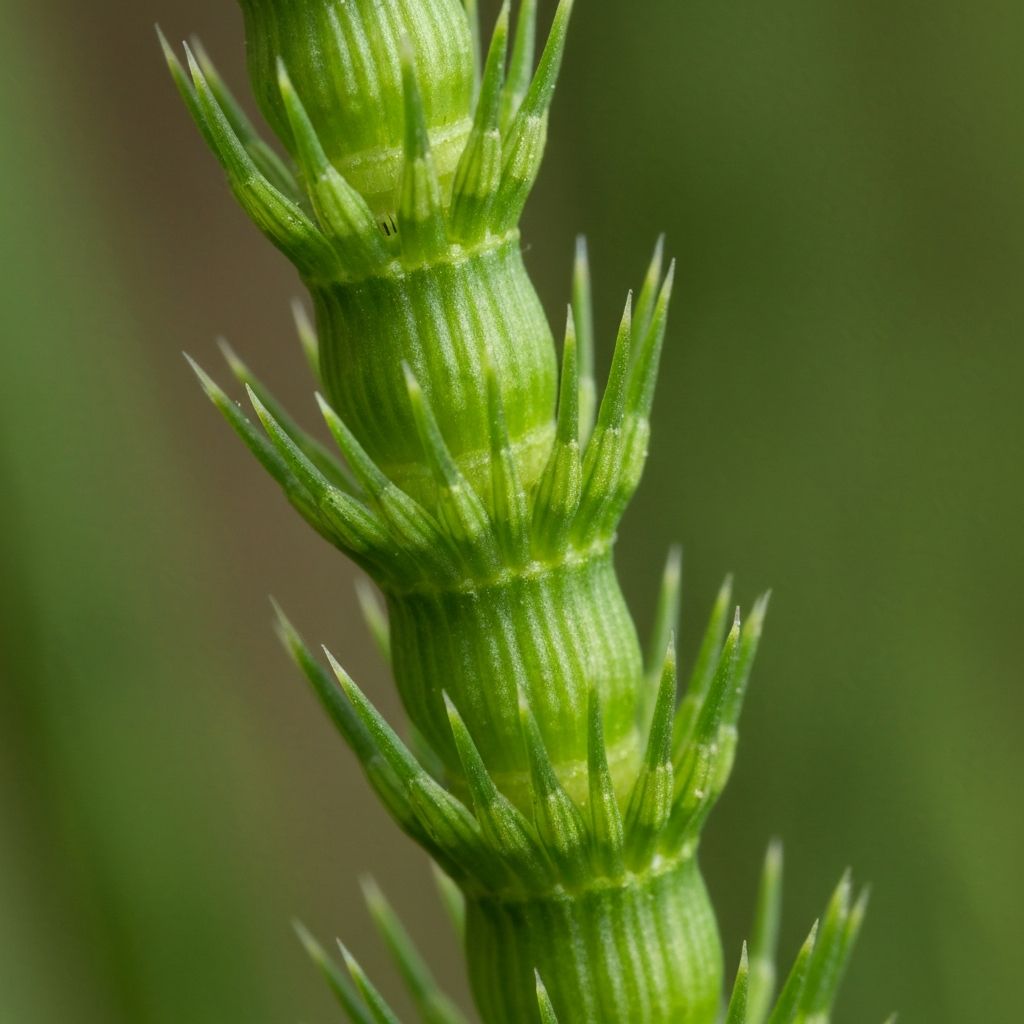
A structural element present in whole grains, legumes, and certain plants like horsetail. Silicon contributes to the integrity of connective tissues, bone matrix, and skin elasticity through collagen formation.
Vanadium
Found in whole grains, mushrooms, and leafy vegetables, vanadium acts as a cofactor in enzyme systems and influences glucose metabolism, supporting cellular energy production and nervous system function.
Alpine Plant Heritage
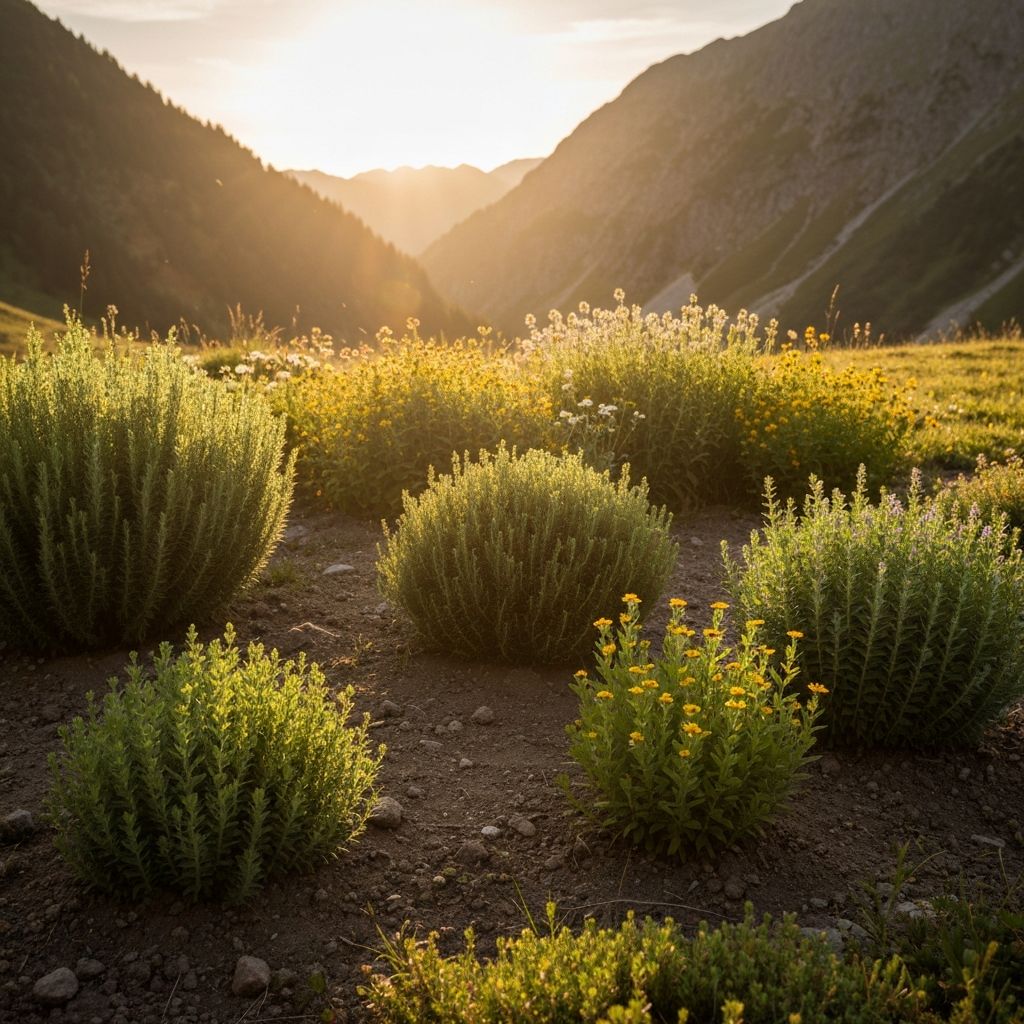
European mountain regions, particularly the Alpine areas of Austria and surrounding territories, have long been home to distinctive plant communities adapted to high altitude, rocky terrain, and seasonal variations. Historically, local populations developed extensive knowledge of these plants through generations of observation and use in traditional practices.
Birch, linden, elder, and horsetail species thrived in these environments, integrated into cultural wellness traditions and daily life. This botanical heritage reflects not commercial interest, but genuine cultural connection to local flora and recognition of diverse plant properties used in herbal infusions, teas, and traditional preparations.
Sleep Cycle Fundamentals
Natural sleep cycles follow circadian rhythms—biological patterns synchronized with light, temperature, and seasonal changes. These cycles consist of distinct phases: light sleep, deeper restorative phases, and REM sleep where cognitive processes consolidate information and process emotions.
Quality sleep supports immune function, metabolic balance, cognitive clarity, and emotional regulation. In men's middle years, maintaining consistent sleep patterns becomes increasingly significant for sustaining energy, focus, and overall daily state. Environmental factors—darkness, temperature, reduced stimulation—and lifestyle habits—regular activity, consistent bedtime—naturally support healthy sleep architecture.

Gentle Nature Movement
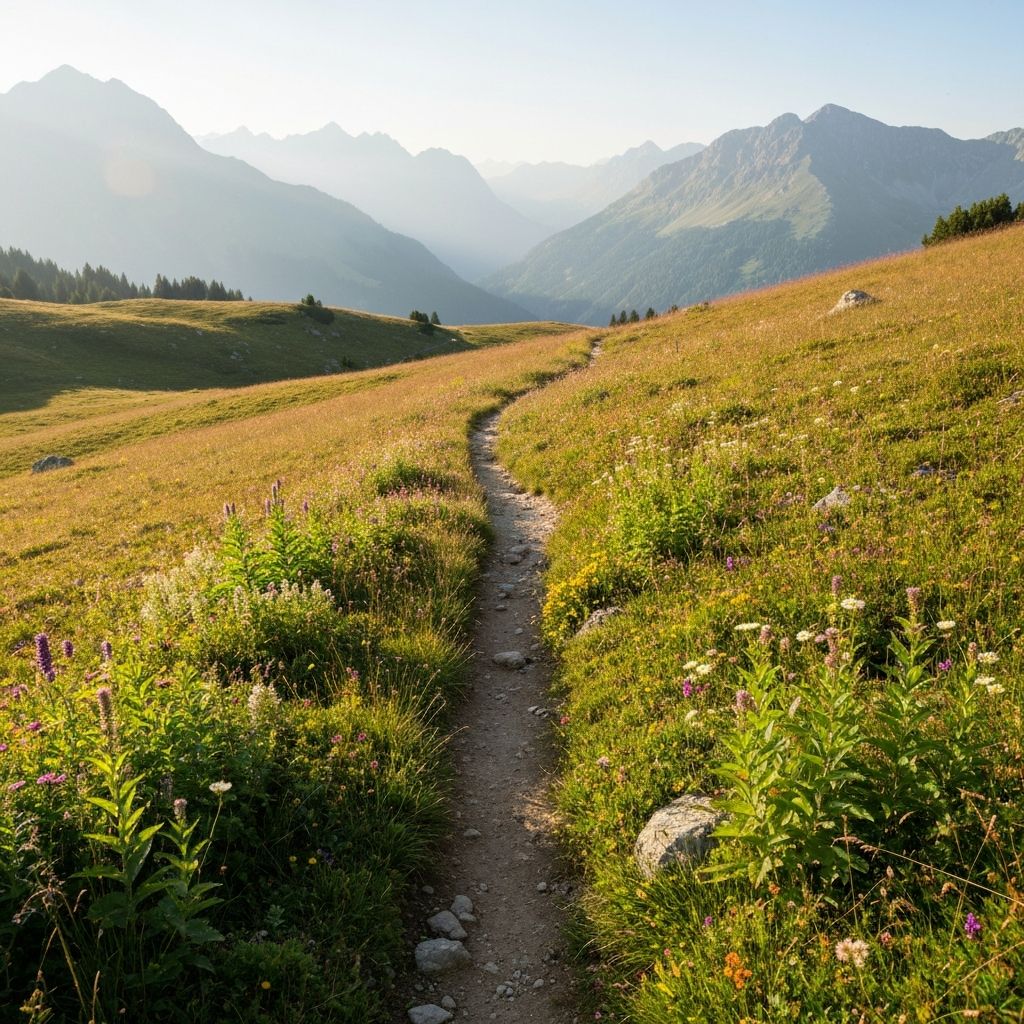
Regular movement through natural environments—walking mountain trails, exploring meadows, climbing gentle slopes—provides multifaceted benefits for physical condition and mental state. Alpine walking, in particular, combines moderate cardiovascular engagement with the physiological effects of altitude exposure, natural light, and environmental complexity.
Consistent activity supports cardiovascular tone, maintains muscular strength, promotes metabolic efficiency, and influences mood through natural light exposure and sensory engagement with landscape. For men in their forties and beyond, sustainable, enjoyable movement practices—those integrated into daily life rather than rigid exercise programs—prove most effective for long-term wellness.
Plant Secondary Metabolites
Beyond basic nutrients, plants produce thousands of specialized compounds called secondary metabolites. These substances evolved as plant defense mechanisms, color pigments, and chemical signals. When humans consume diverse plant foods, we incorporate these compounds into our biology.
Common Classes
Polyphenols: Widespread in colorful vegetables, tea, and berries. Support antioxidant processes in the body.
Alkaloids: Present in coffee, tea, and certain herbs. Influence nervous system activity and alertness.
Terpenes: Found in aromatic plants and citrus. Contribute to aroma and have diverse biological activities.
Sulfur compounds: Present in garlic and cruciferous vegetables. Support detoxification pathways.

Dietary Pattern Contrasts
| Aspect | Plant-Diverse Approach | Limited-Variety Approach |
|---|---|---|
| Micronutrient Range | Broad spectrum of trace minerals and vitamins from varied sources | Narrow nutrient profile, potential gaps in less common elements |
| Polyphenol Intake | Hundreds of different phytochemical compounds from diverse plants | Limited secondary metabolite diversity, concentrated in few plant families |
| Digestive Ecology | Diverse plant fiber promotes varied gut microbiota composition | Less diverse microbiota, reduced production of beneficial metabolites |
| Sustained Energy | Varied carbohydrate sources, gradual glucose profiles | Rapid glucose spikes, energy crashes, variable satiety |
| Taste and Adherence | Varied flavor profiles maintain interest and consistency | Monotony may reduce long-term dietary adherence |
Highlighted Natural Compounds
Specific plants found in Alpine and European botanical traditions contain compounds with documented biochemical activities. The following overview presents factual information about these plants and their traditional uses:
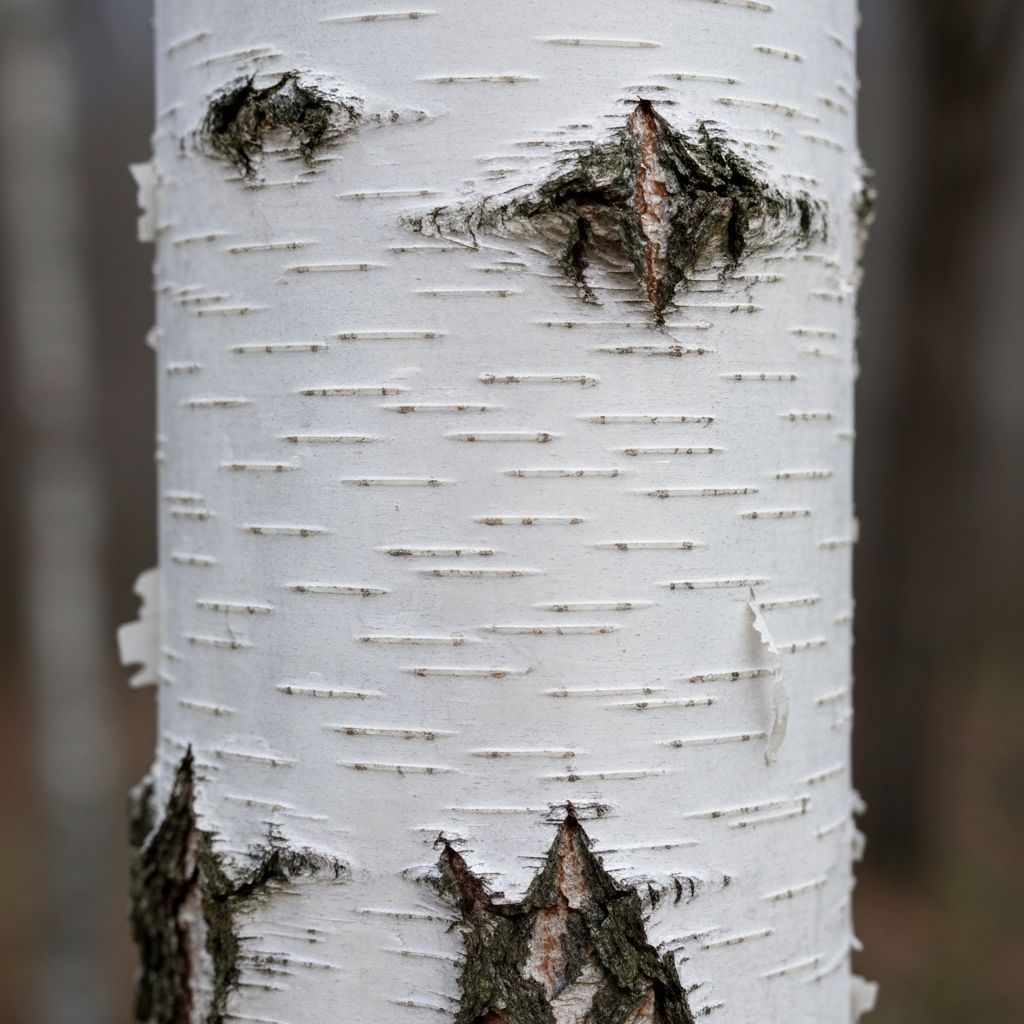
Birch
Traditional European herb used in folk preparations. Contains betulin and other compounds historically associated with traditional wellness practices across Nordic and Alpine regions.
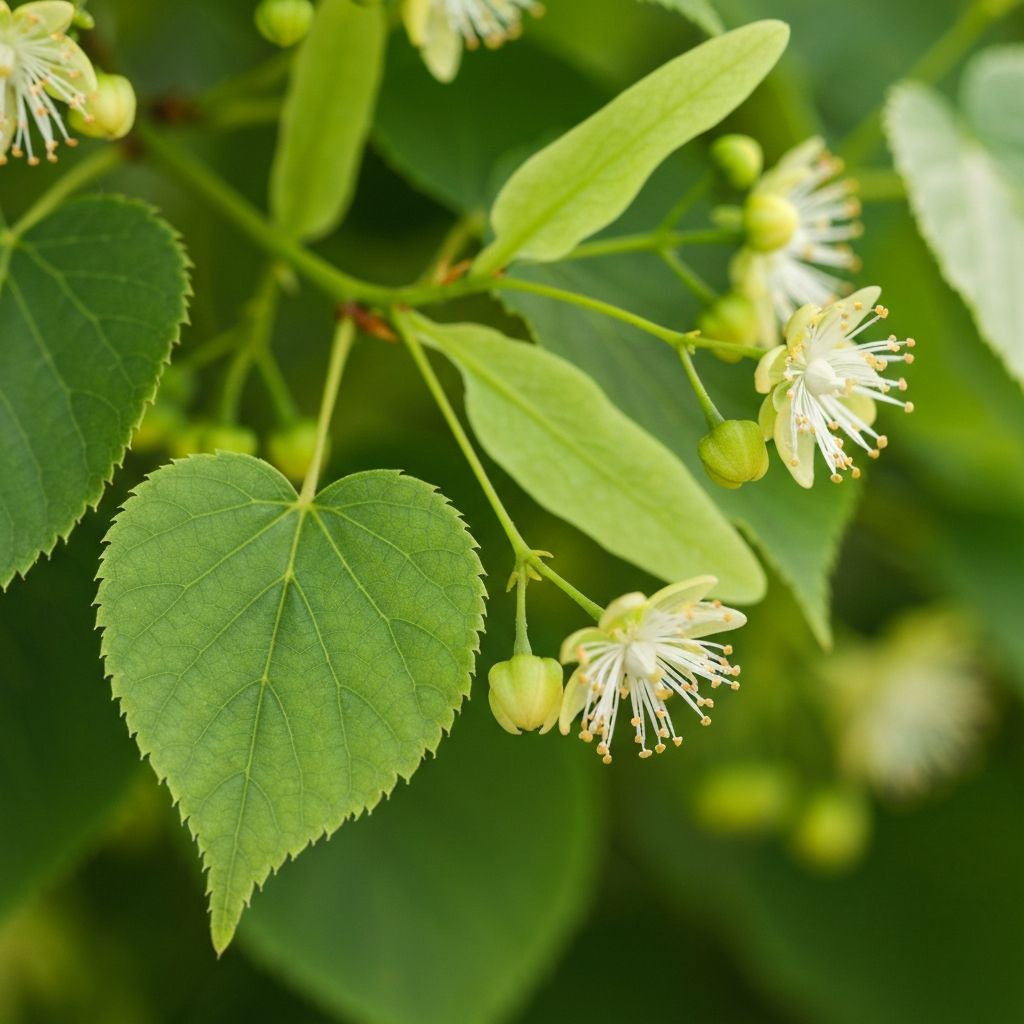
Linden
European lime tree with long history in traditional herbal preparations. Flowers used in cultural infusions for centuries, recognized in European herbal traditions for calming properties.
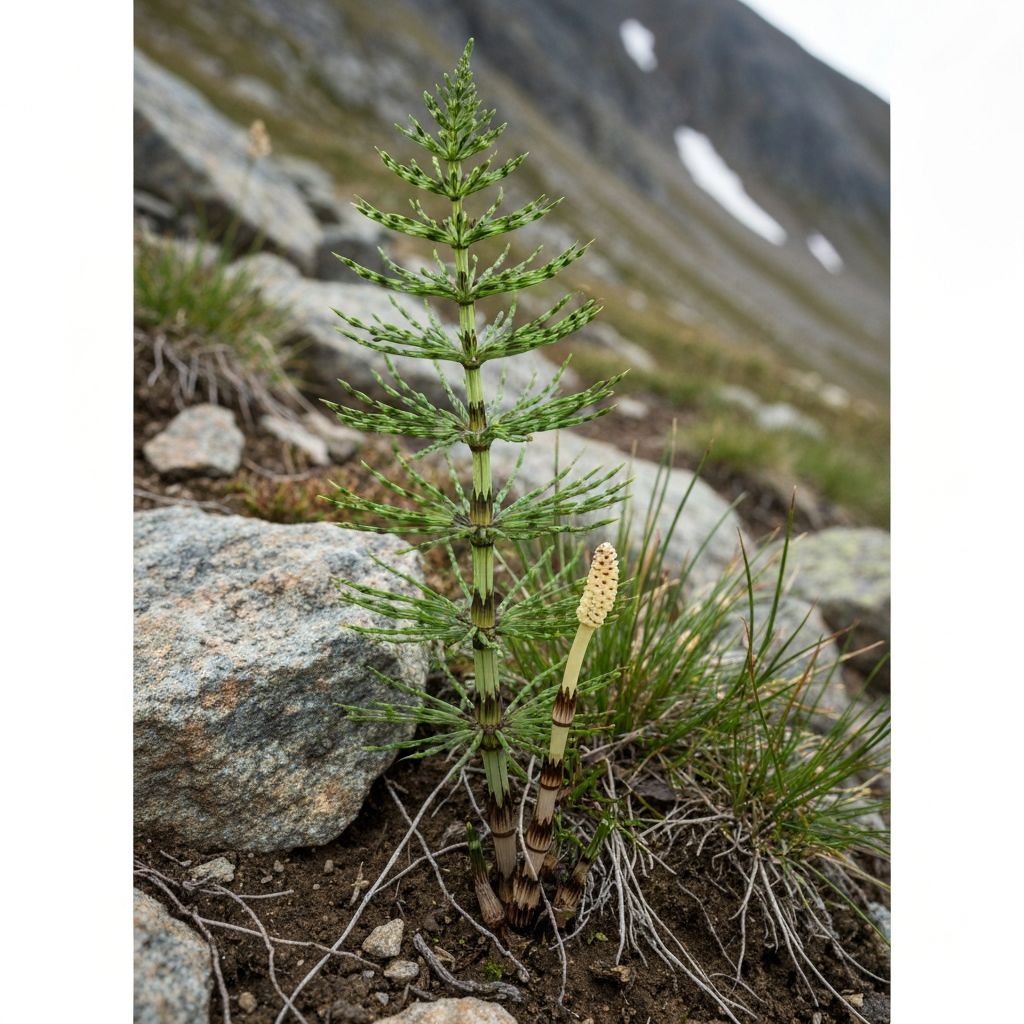
Horsetail
Ancient plant present across Northern Hemisphere. High in silicon and minerals, traditionally used in European herbalism. Documented in botanical literature for structural support properties.
Dandelion
Ubiquitous in European meadows. Entire plant used traditionally—roots, leaves, flowers. Rich in minerals and historically recognized in folk medicine across European regions for digestive support.
Nettle
Common Alpine plant with long European herbal history. Dense mineral content, particularly iron and magnesium. Traditionally used in infusions for nutritional support across Scandinavian and Alpine cultures.
Ginseng Root
Ancient Asian root used in traditional Eastern medicine. Adaptogenic properties recognized in botanical literature. Some European cultivation attempts reflect growing interest in this traditional plant.
Herbal Beverage Traditions
Across European cultures, particularly in Alpine regions, the practice of brewing plant infusions—simple preparations of dried herbs or fresh plant material steeped in hot water—became deeply embedded in daily wellness routines. These traditions reflect not commercial marketing, but genuine cultural knowledge accumulated over centuries.
Herbal teas and infusions represented accessible ways to consume diverse plant compounds. Morning linden tea, evening nettle infusions, ginger preparations during seasonal transitions—these practices integrated natural plant diversity into daily routine without formal supplement structure. The ritual itself—warm beverage, pause in activity, sensory engagement—contributed to the broader wellness effect beyond simple chemical composition.
Modern interest in herbal beverages often connects to rediscovering these traditional knowledge systems, recognizing that accumulated cultural practice reflects genuine understanding of plant properties and their contribution to sustained wellness during different life phases.
Biological Adaptation Basics
Human physiology demonstrates remarkable capacity for adaptation to environmental stimuli and behavioral patterns. These adaptive responses operate at multiple timescales:
Acute Responses (Minutes to Hours)
Immediate reactions to stressors—physical activity, temperature exposure, nutrient intake—trigger rapid hormonal and neurological adjustments. Heart rate increases during exertion, body temperature rises, digestive processes activate after eating.
Medium-Term Adaptation (Days to Weeks)
Consistent behavioral patterns produce functional changes. Regular activity strengthens cardiovascular tone, adequate sleep improves cognitive function, consistent nutrition stabilizes energy levels. These adaptations reflect the body's responsiveness to behavioral inputs.
Long-Term Adaptation (Months to Years)
Sustained lifestyle patterns produce structural changes—increased muscle mass from consistent activity, improved metabolic efficiency from stable nutrition, enhanced sleep quality from consistent rhythm maintenance. These represent the body's capacity to reorganize itself based on consistent environmental signals.
Importantly, these adaptive processes work bidirectionally. Positive inputs—adequate sleep, consistent movement, nutritious food, stress management—support continued adaptation. Negative inputs—sleep deprivation, sedentary behavior, poor nutrition—impair adaptive capacity, reducing resilience and daily functionality.
Alpine Vegetation Seasonal Patterns
Mountain plant communities follow dramatic seasonal cycles influenced by temperature, snow cover, and daylight duration. These patterns shape plant chemistry and nutrient composition throughout the year.
Spring (March-May)
Plants emerge with rapid growth focused on leaf development and flowering. Nutrient density peaks as plants mobilize stored reserves. Alpine flowers bloom in succession as snow recedes, creating visible waves of color and diversity.
Summer (June-August)
Extended daylight and warmth support full vegetative development and seed production. Many medicinal plants reach peak potency during mid-summer. This season traditionally marked primary harvesting period for herbal preparations.
Autumn (September-November)
Plants shift energy to root storage and seed dispersal. Roots accumulate carbohydrates and compounds, often reaching maximum concentration before winter dormancy. Traditional harvest timing coincided with this phase for plants valued for root preparations.
Winter (December-February)
Most Alpine plants enter dormancy beneath snow cover. Evergreen species continue subtle metabolic activity. Winter represents period of minimal plant harvesting, though dried preparations from previous seasons remained available.
Common Assumptions Addressed
Various widespread ideas circulate about natural substances and aging. This section addresses frequent misconceptions with informational clarity:
- Assumption: Natural substances provide rapid transformation or dramatic reversal of aging effects. Reality: Plant compounds support gradual optimization of existing function through consistent use alongside healthy practices. No substance reverses aging processes or produces overnight changes.
- Assumption: Traditional use automatically means clinical efficacy for modern disease treatment. Reality: Traditional uses reflect cultural integration and observed associations, not necessarily clinical proof of therapeutic action for specific pathologies.
- Assumption: Higher doses or exotic plants produce superior results. Reality: Biological systems respond to consistent input rather than concentration or rarity. Familiar plants consumed regularly produce more reliable effects than occasional high-dose exotic substances.
- Assumption: Single plant components drive entire health outcomes. Reality: Wellness results from multifactorial integration—sleep, movement, nutrition, stress management, social connection, purposeful activity. No single substance substitutes for comprehensive lifestyle patterns.
- Assumption: Natural means completely safe and without considerations. Reality: Plant compounds are biologically active and can interact with individual physiology, medications, and health conditions. Individual assessment remains essential before substantial dietary changes.
- Assumption: Age forty represents sudden decline requiring intervention. Reality: Men's forties often represent peak wisdom and sustained functionality with appropriate maintenance of healthy practices developed in earlier years.
Explore Additional Educational Information
This introduction provides foundational context. Deeper exploration awaits in our comprehensive sections covering specific plant profiles, detailed nutrition science, lifestyle optimization, and frequently asked questions.
Learn More For Men 40+